What Web3 Term Describes an Economy Where Players Earn Real-World Rewards for In-Game Actions?
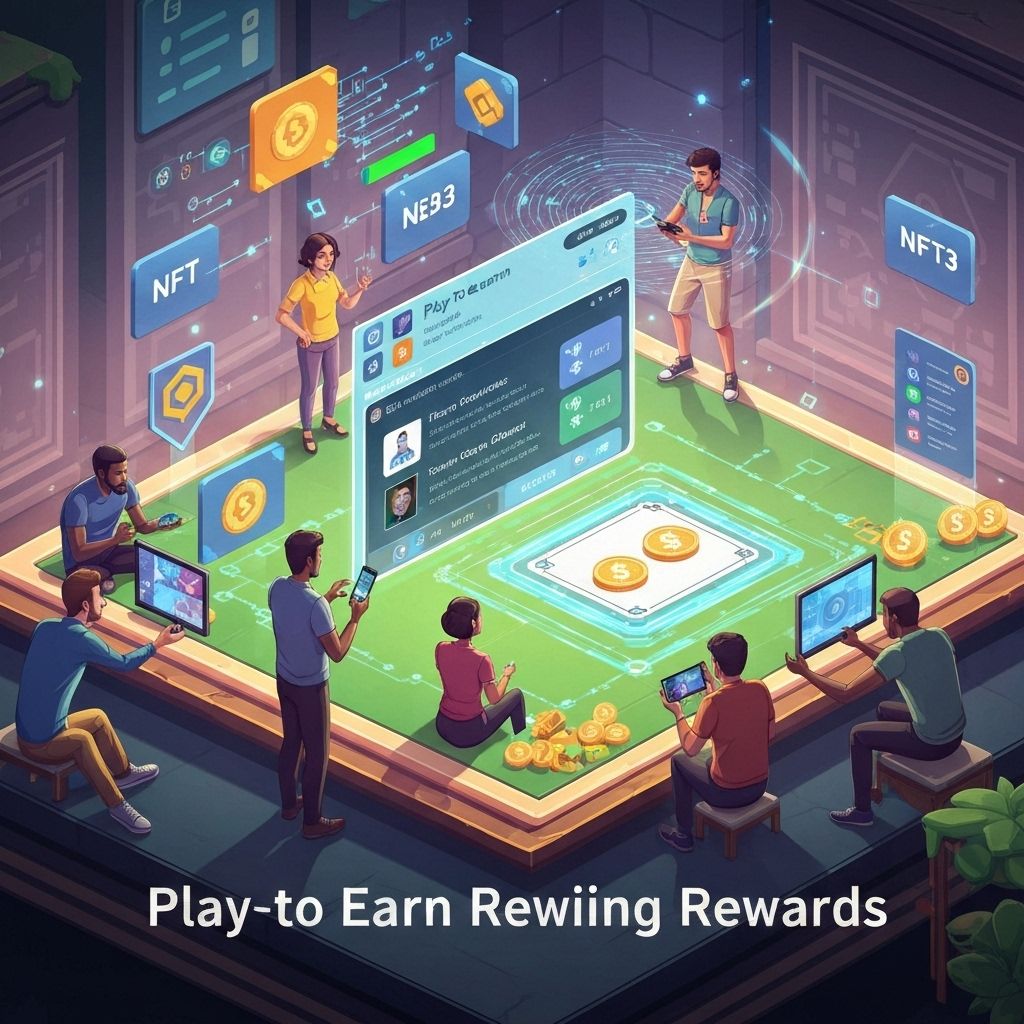
The gaming industry has undergone a revolutionary transformation with the advent of Web3 technology. At the heart of this transformation lies a groundbreaking concept that answers the question: what web3 term describes an economy where players earn real-world rewards for in-game actions? The answer is Play-to-Earn (P2E).
Understanding Play-to-Earn Economics
Play-to-Earn represents a paradigm shift in gaming economics. Unlike traditional gaming models where players spend money without tangible returns, P2E games enable players to earn cryptocurrency, NFTs, and other digital assets that hold real-world value. This innovative model has created new opportunities for gamers worldwide to monetize their time and skills.
How Play-to-Earn Works
When people ask what web3 term describes an economy where players earn real-world rewards for in-game actions, they're seeking to understand the mechanics behind this revolutionary system. In P2E games, players complete quests, battle opponents, breed digital creatures, or trade virtual items to earn rewards. These rewards are typically blockchain-based tokens or NFTs that can be traded on cryptocurrency exchanges or NFT marketplaces.
💡 Key Insight: Play-to-Earn games leverage blockchain technology to ensure true ownership of in-game assets, allowing players to trade, sell, or transfer their earnings freely.
The Impact of Play-to-Earn on Gaming
The P2E model has democratized gaming by creating income opportunities, especially in developing countries. Players can now view gaming not just as entertainment but as a legitimate source of income. Popular P2E games like Axie Infinity, The Sandbox, and Decentraland have demonstrated the viability of this model, with some players earning substantial incomes through strategic gameplay and asset management.
Key Features of Play-to-Earn Games
- True Ownership: Players own their in-game assets as NFTs on the blockchain
- Interoperability: Assets can potentially be used across different games and platforms
- Transparent Economy: All transactions are recorded on the blockchain for transparency
- Community Governance: Many P2E games incorporate DAO structures for player input
- Real Value Creation: Time and effort invested translate to tangible rewards
Challenges and Considerations
While the concept of what web3 term describes an economy where players earn real-world rewards for in-game actions sounds promising, it's important to understand the challenges. P2E games face issues like market volatility, sustainability concerns, high entry barriers, and regulatory uncertainty. Players should approach P2E gaming with realistic expectations and proper risk management.
The Future of Play-to-Earn
As Web3 technology continues to evolve, the Play-to-Earn model is expected to become more sophisticated and sustainable. Developers are working on creating more engaging gameplay experiences that balance fun with earning potential. The integration of AI, improved graphics, and more complex economic systems will likely make P2E games more appealing to mainstream gamers.
Conclusion
So, what web3 term describes an economy where players earn real-world rewards for in-game actions? It's Play-to-Earn (P2E), a revolutionary gaming model that's reshaping the relationship between players and games. By leveraging blockchain technology, P2E games offer unprecedented opportunities for players to earn real value from their gaming activities. As the Web3 ecosystem matures, we can expect Play-to-Earn to become an increasingly important part of the gaming landscape.
Ready to Explore Web3 Gaming?
Download HootArk today to discover the best Play-to-Earn games, manage your gaming assets, and stay updated with the latest in Web3 gaming technology.
Get Started with HootArk